The financial landscape is evolving at breakneck speed, and 2026 is proving to be a watershed moment for global capital markets. 🌊💸 With the rollout of new regulatory frameworks—like the UK’s Public Offers and Admissions to Trading Regulations (POATRs) taking full effect and the EU Listing Act reshaping SME growth markets—Multilateral Trading Facilities (MTFs) are taking center stage. 🎭🇪🇺🇬🇧
For the uninitiated, an MTF is a self-regulated financial trading venue. These non-exchange trading platforms allow matching of buyers and sellers of financial instruments based on transparent, non-discretionary rules. 🤝📉 But behind the lightning-fast matching engines and seamless Straight-Through Processing (STP), there is a critical architect ensuring everything functions perfectly: The Business Analyst (BA). 🧠💼
In the era of MTFs, the BA is no longer just a requirements gatherer. They are part regulatory translator, part system designer, and part trading operations expert. 🕵️♀️⚙️ Let’s dive deep into the tactics, technologies, and workflows that define Business Analysis in the modern MTF ecosystem. 🛠️🔥
1. The 2026 MTF Landscape: What BAs Need to Know 🗺️🔍
To analyze systems effectively, a BA must deeply understand the market context. 2026 has brought a wave of "smart regulation" aimed at reducing friction while maintaining market integrity. ⚖️🛡️
- The UK POATR Shift: Taking effect in January 2026, these rules streamline prospectus regimes and fundamentally change how securities are admitted to primary MTFs (like AIM). BAs must now adapt systems to handle the new "MTF admission prospectus" (MAP) criteria. 📜🇬🇧
- EU Capital Markets Union: The EU Listing Act has redefined MTFs, specifically tweaking the SME growth market regime. Systems must now accommodate multiple-voting shares and adjusted prospectus thresholds. 🇪🇺🏢
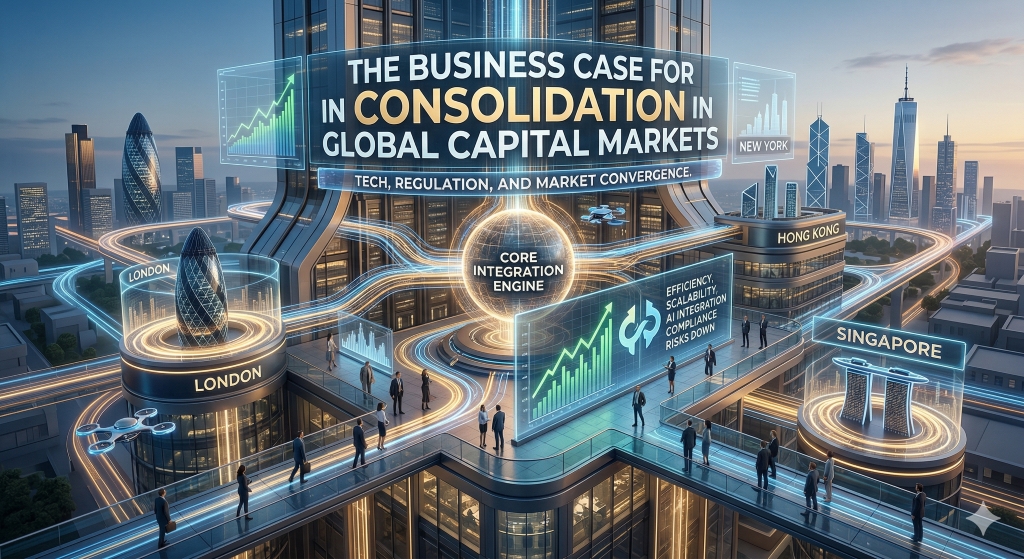
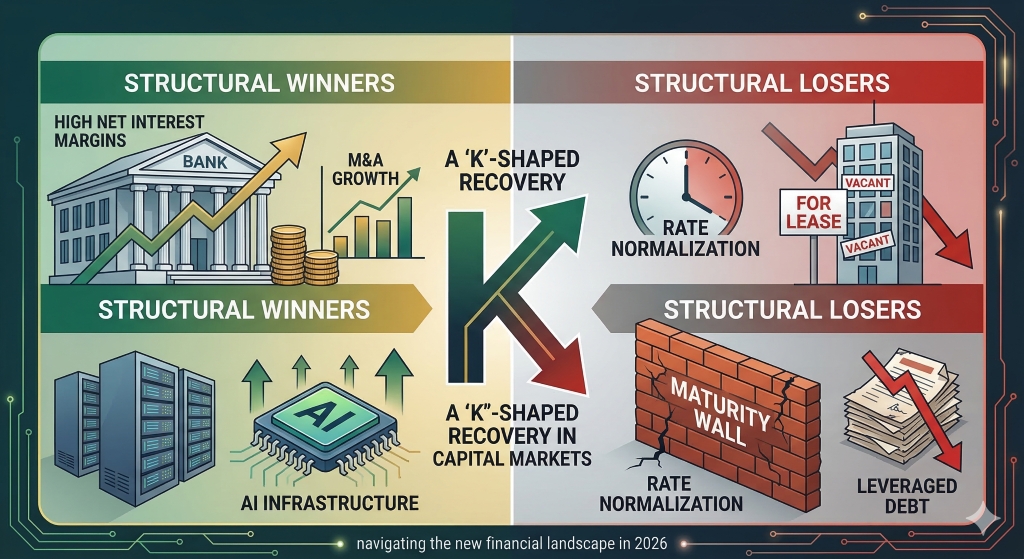
- The Drive for Efficiency: With falling interest rates and a boom in M&A and AI-driven sectors, trading volumes are massive. 📊🤖 MTF platforms must handle immense scalability, and BAs are the ones modeling these capacity requirements. 📈💪
2. Deconstructing the Trade Lifecycle 🔄🏦
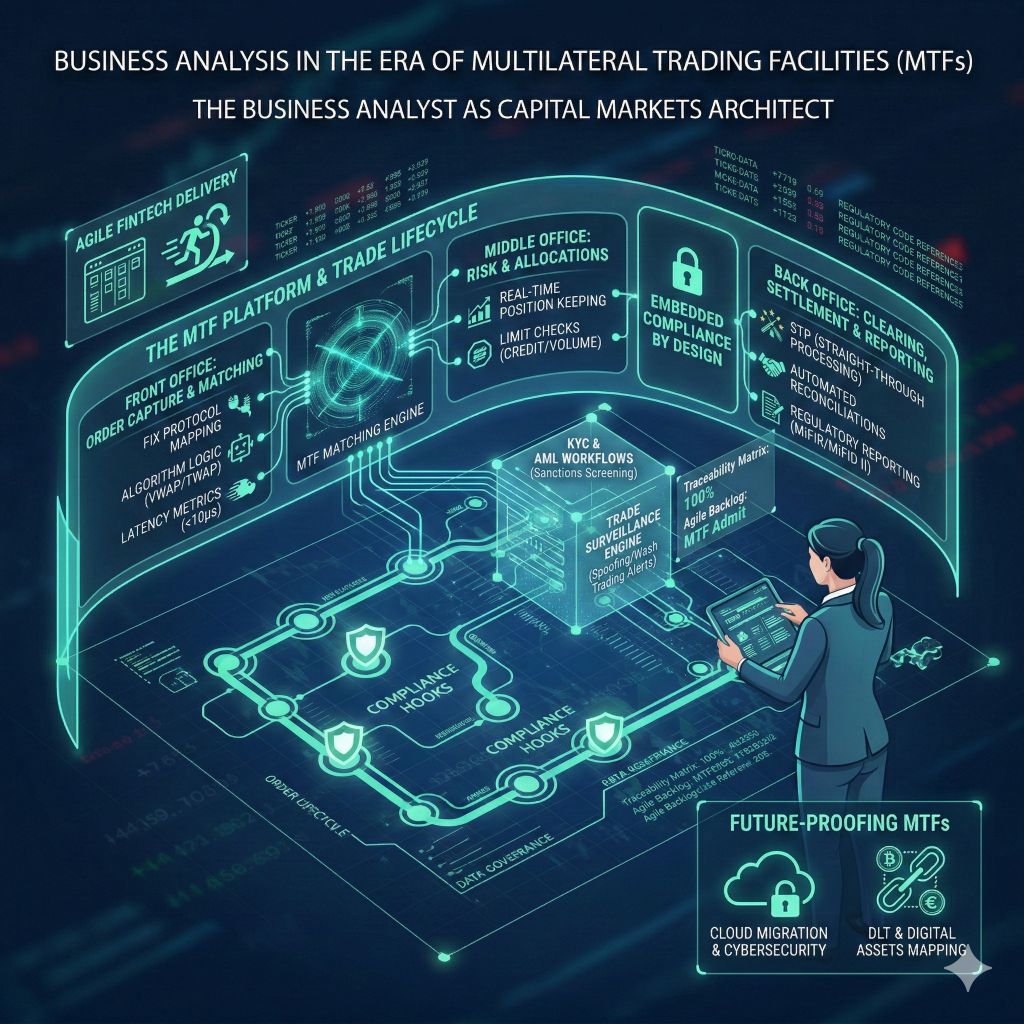
A Capital Markets BA working on an MTF platform must possess a front-to-back understanding of the trade lifecycle. 🧩 You aren't just looking at one screen; you are mapping the entire journey of a financial instrument. 🛤️💸
Front Office: Order Capture and Matching 🎯
This is where the action happens. BAs work closely with traders and quantitative analysts to define how orders enter the system. 🗣️💻
- FIX Protocol Mapping: Financial Information eXchange (FIX) is the lifeblood of electronic trading. BAs spend hours mapping FIX tags (e.g., Tag 35 for Message Type, Tag 54 for Side) between client systems and the MTF matching engine. 📡🔌
- Algorithm Integration: Whether it’s VWAP (Volume-Weighted Average Price) or TWAP (Time-Weighted Average Price), BAs must document the logic constraints of order types. 🤖⏱️
- Latency Metrics: In an MTF, microseconds matter. ⏱️⚡ BAs define non-functional requirements (NFRs) for system latency and throughput. 🏎️💨
Middle Office: Risk and Allocations ⚖️🛡️
Once a trade is matched, it hits the middle office. Here, the BA's focus shifts to risk management and validation. 🕵️♂️📋
- Real-time Position Keeping: Defining the data architecture so that traders know their exact exposure the millisecond a trade executes. 📊👀
- Limit Checks: Modeling the workflows that automatically halt trading if credit or volumetric limits are breached. 🛑💸
Back Office: Clearing, Settlement, and Reporting 🧹🧾
The unglamorous but utterly essential backbone of the MTF. 🦴🏢
- Straight-Through Processing (STP): BAs strive for 100% STP, meaning a trade flows from execution to settlement without manual intervention. 🛣️✨
- Reconciliations: Writing requirements for automated end-of-day (EOD) batch processes that reconcile MTF data with central counterparty clearing houses (CCPs) and custodians. 🤝🏦
3. Embedding AML and Compliance by Design 🚨🕵️♀️
One of the most critical roles of a BA in an MTF is integrating regulatory compliance and Anti-Money Laundering (AML) controls directly into the platform architecture. 🏛️🔒 You cannot simply bolt compliance on at the end; it must be interwoven into the platform's DNA. 🧬💼
- AML & KYC Workflows: BAs must design the onboarding logic for new participants. This involves integrating third-party APIs for real-time Know Your Customer (KYC), Sanctions screening, and AML checks. 🛂🔍
- Trade Surveillance: To prevent market abuse (spoofing, wash trading, layering), BAs define the parameters and alert thresholds for trade surveillance engines. 🚨👀
- Regulatory Reporting (MiFIR/MiFID II): Every transaction must be reported to regulators (like the FCA or ESMA) with pinpoint accuracy. BAs map the internal trade data to the specific XML schemas required by the regulators (e.g., ISO 20022). 📝📊
4. The BA Toolkit: Tactics for Success 🧰🏆
How does a BA actually get all this done? It requires a blend of hard technical skills and exceptional stakeholder management. 🗣️🤝
- Agile within Finance: While capital markets have traditionally been "Waterfall" due to regulatory rigidity, modern MTFs use Agile frameworks. BAs write Epics and User Stories for sprint teams, balancing fast deployments with rigorous testing. 🏃♂️💨
- Data Lineage & Traceability Matrices: If a regulator asks why a specific trade was flagged, you need an answer. BAs maintain robust traceability matrices linking every line of code back to a specific business or regulatory requirement. 🔗📜
- Bridging the Gap: A BA must speak "Trader" (alpha, greeks, yield curves) and "Developer" (APIs, JSON, microservices) fluently. 🗣️🧠 You are the ultimate translator. 🌐🗣️
5. The Future: Cloud, Crypto, and DLT ☁️🪙
Looking ahead, BAs are already gathering requirements for the next generation of MTFs. 🔭🔮
- Cloud Migration: Moving legacy matching engines to the cloud (AWS, GCP) requires BAs to redefine infrastructure requirements, focusing heavily on cybersecurity and data residency. ☁️🔐
- Digital Assets: With Switzerland and the EU pioneering Distributed Ledger Technology (DLT) pilot regimes, BAs are learning how to map traditional trade lifecycles onto blockchain infrastructure. ⛓️🪙
In conclusion, the role of the Business Analyst in an MTF is dynamic, highly complex, and utterly vital. 🌟 They are the unsung heroes translating market ambition and regulatory mandates into functional, lightning-fast reality. 🦸♂️💻
🔗 Industry Links to Learn More 🔗
BA Blocks
· BA Blocks
· BA Block YouTube Channel
Industry Certification Programs:
CFA(Chartered Financial Analyst)
FRM(Financial Risk Manager)
CAIA(Chartered Alternative Investment Analyst)
CMT(Chartered Market Technician)
PRM(Professional Risk Manager)
CQF(Certificate in Quantitative Finance)
Canadian Securities Institute (CSI)
Quant University LLC
· MachineLearning & AI Risk Certificate Program
ProminentIndustry Software Provider Training:
· SimCorp
· Charles River’sEducational Services
Continuing Education Providers:
University of Toronto School of Continuing Studies
TorontoMetropolitan University - The Chang School of Continuing Education
HarvardUniversity Online Courses
Study of Art and its Markets:
Knowledge of Alternative Investment-Art
· Sotheby'sInstitute of Art
Disclaimer: This blog is for educational and informational purposes only and should not be construed as financial advice.